Outdoor signs have to work in the real location
An outdoor sign needs to be readable, durable, and realistic for where it will be placed. A sign that looks good on a screen may still be too small, too thin, hard to read, difficult to mount, or wrong for the surface.
Brandon helps businesses think through the location first so the sign matches the job instead of forcing the job to match a random material.
Common outdoor signs
- Storefront signs
- Channel letter signs
- Outdoor banners
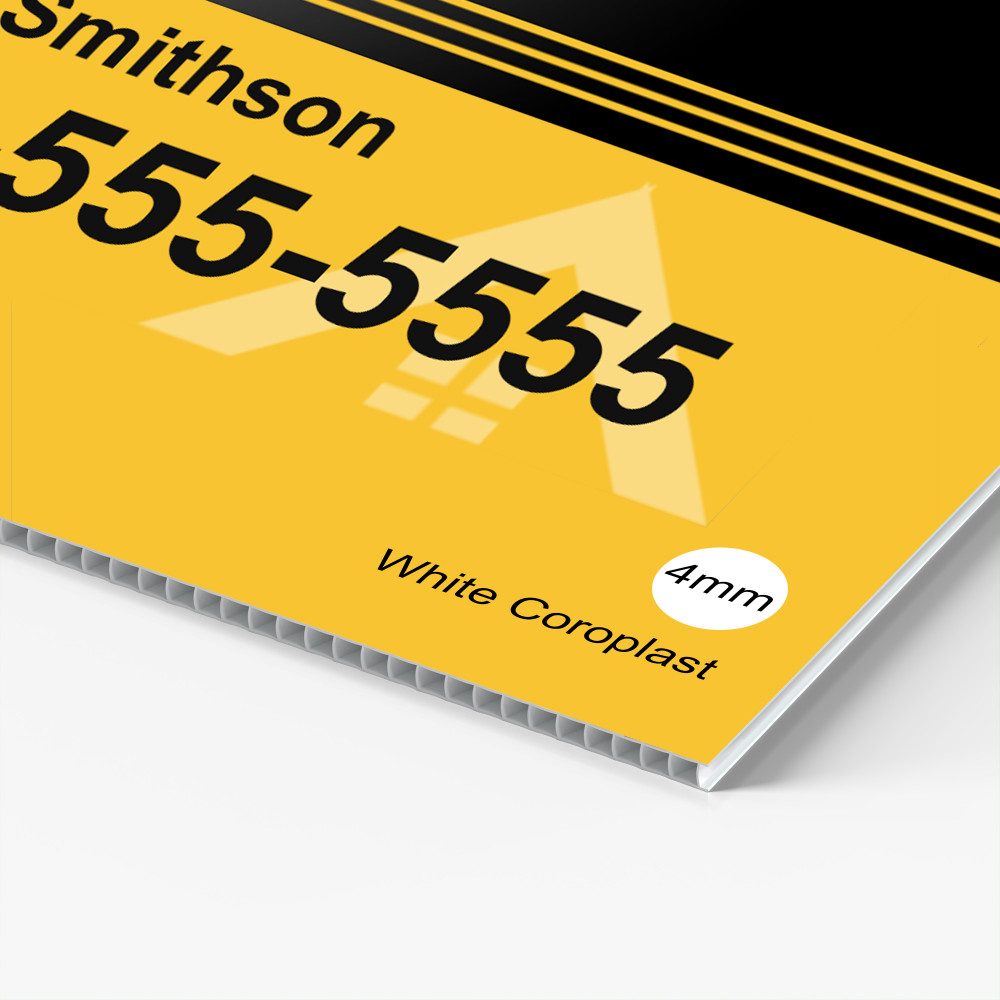
- Coroplast yard signs
- Post and panel signs
- Construction site signs
- Property management signs
- Parking and directional signs
- Restaurant and retail signs
- Temporary grand opening signs
What affects the sign choice
Outdoor signage decisions usually come down to visibility, wind exposure, mounting, surface type, expected lifespan, budget, size, and timing.
A temporary banner for a grand opening is very different from a permanent storefront sign. A parking sign has different requirements than a sponsor board. A sign on a fence, wall, window, post, or building face may need a different material and finishing method.
Rush vs planned outdoor signs
Some outdoor signs can move quickly when the file is ready, the material is available, and the size is clear. Other signs need more planning, especially if they involve install access, landlord approval, electrical work, or permitting.
Brandon can help separate what can be handled fast from what needs a more careful sign plan.
What to send first
- Photo of the sign location
- Approximate width and height
- Indoor or outdoor use
- How long the sign needs to last
- Logo or artwork file
- Deadline or opening date
- Install details if known
Related outdoor sign pages
Start with Brandon
For the fastest answer, send what you have now. Photos, files, rough sizes, quantities, and the real deadline are enough to start the conversation. Brandon can help figure out what is missing, what is realistic, and what needs to be checked before production.
Outdoor sign material examples
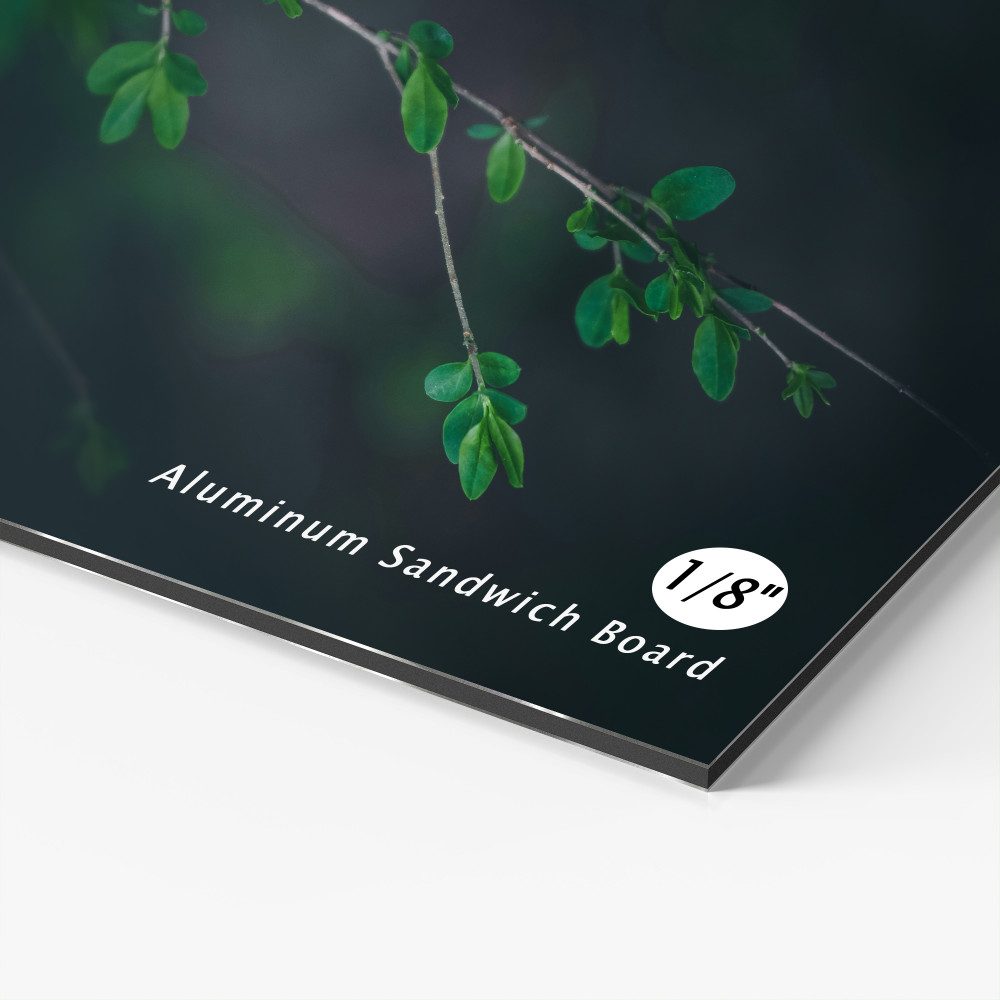
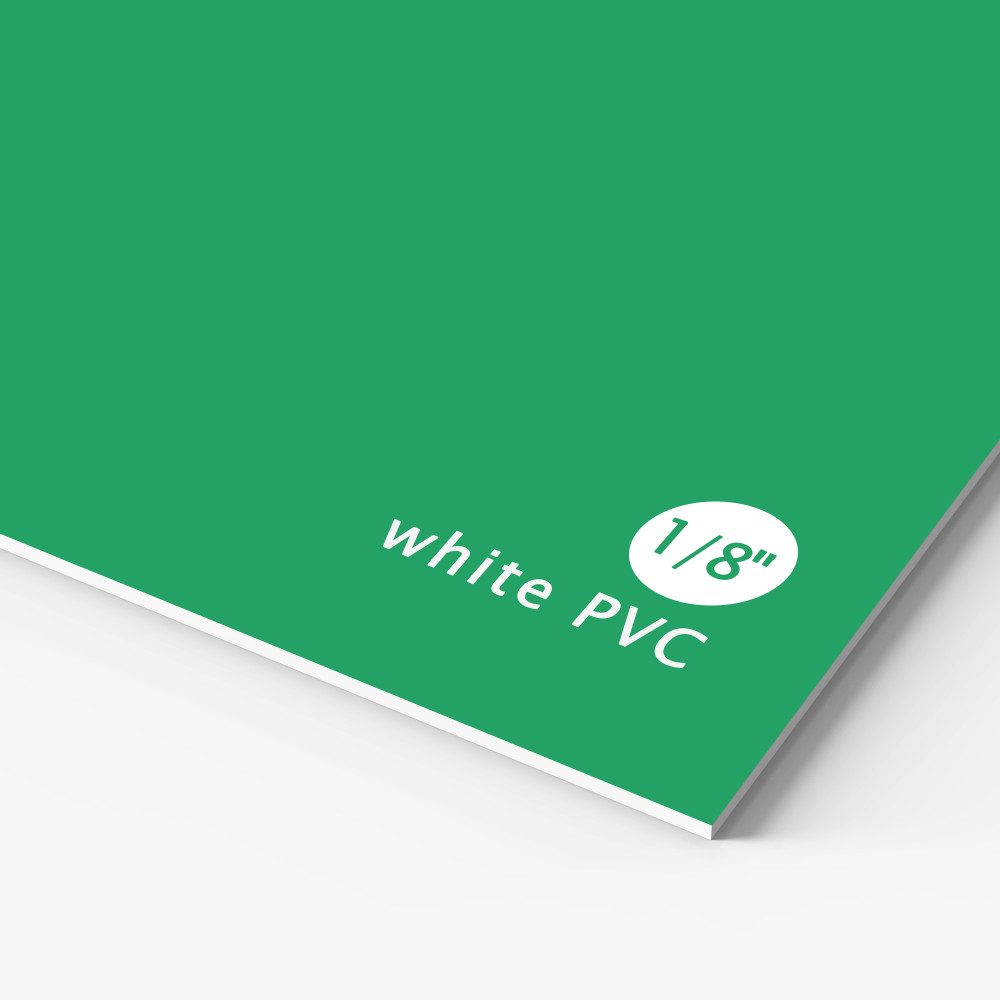
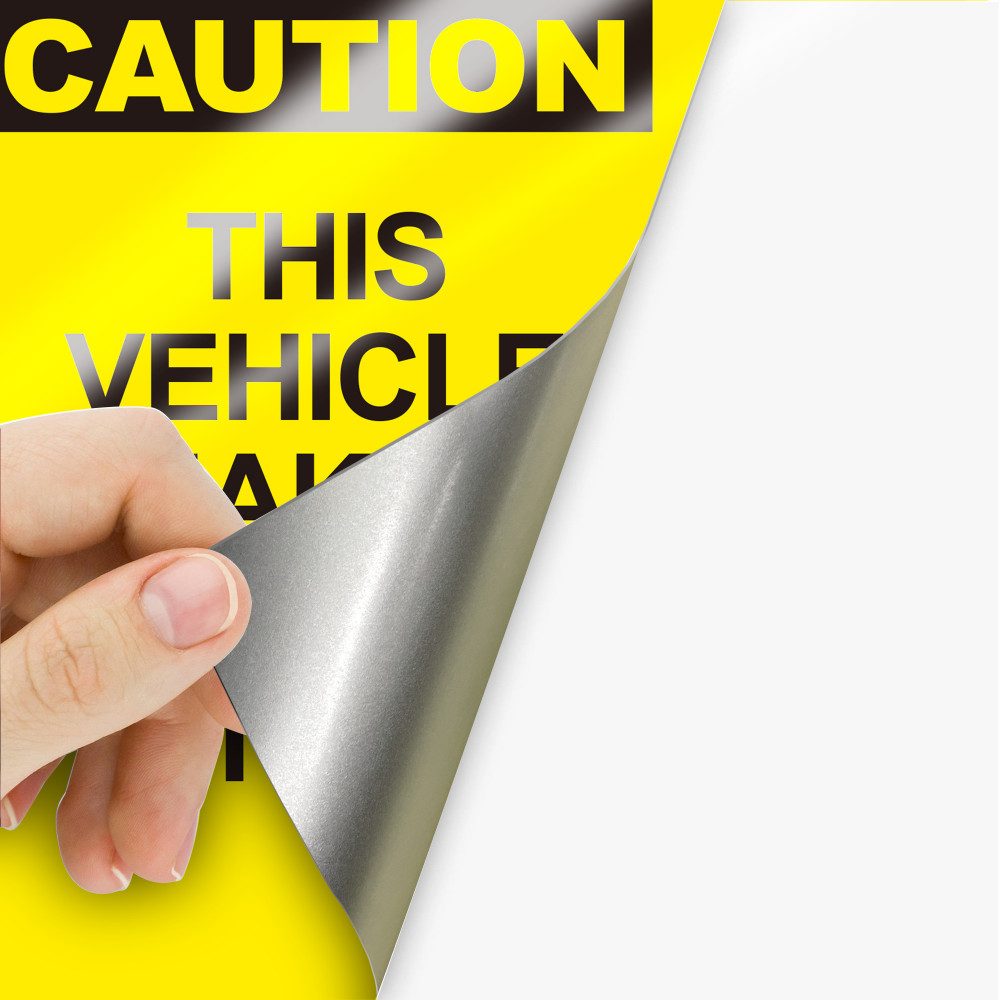
Outdoor signs may need ACM, Coroplast, PVC, reflective vinyl, or other materials depending on how long the sign needs to last and where it will be installed.