
What goes into a food truck wrap
A good food truck wrap is not just one giant sticker. Most jobs combine a few pieces that have to work together: the main body graphics, readable branding, service window details, menu boards, hours, QR codes, and sometimes temporary event messaging. If one part gets crowded or out of proportion, the whole truck feels harder to read.
That is why Brandon treats food truck wraps more like a system than a single product. He helps clients figure out what belongs on the truck permanently, what should be updated more often, and how to keep the busy service side from becoming visual clutter.
Common food truck graphic setups
- Full wraps for trucks or trailers that need maximum visibility
- Partial wraps that keep costs in line while still creating a strong look
- Exterior menu boards sized around the order window and customer flow
- Door, hatch, and service window decals for hours, social handles, and QR codes
- Temporary event or sponsor graphics that can be layered onto the main look
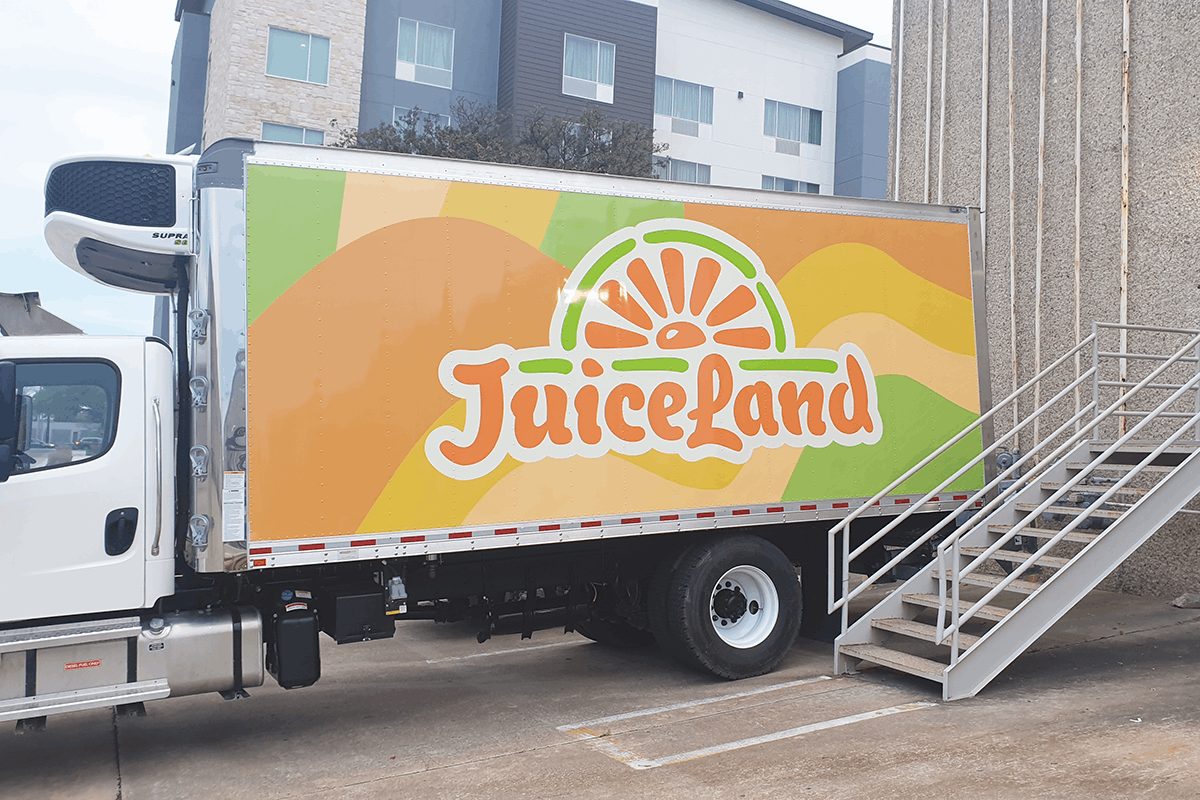
Mobile food and beverage graphics example
What most food truck owners get wrong
- Trying to fit too much menu copy onto the outside of the truck
- Using graphics that look good on screen but do not read from a distance
- Ignoring hinges, handles, trim, and service openings during layout
- Picking materials without thinking about heat, cleaning, and daily wear
- Waiting until the last minute to solve the menu board and window details
Typical turnaround and install timing
Most food truck wrap jobs move through three stages: layout and proofing, print and finishing, and installation. The actual timing depends on how ready the files are, how much coverage the truck needs, and whether the install calendar is open.
If your artwork is close and the scope is clear, Brandon can usually tell you quickly whether the best path is a full wrap, a partial wrap, or a faster graphics package built around branding and menu panels.
Check rush food truck wrap optionsHow pricing usually works
Food truck wrap pricing usually comes down to size, coverage, and install complexity. A full trailer wrap is a different job than a cleaner partial wrap with a strong menu board and a few key decal placements.
- Truck or trailer size and number of graphic surfaces
- Full wrap versus partial wrap coverage
- Surface condition and prep needed before install
- Menu board quantity and complexity
- Install timing and whether the truck must be turned quickly
Real project example
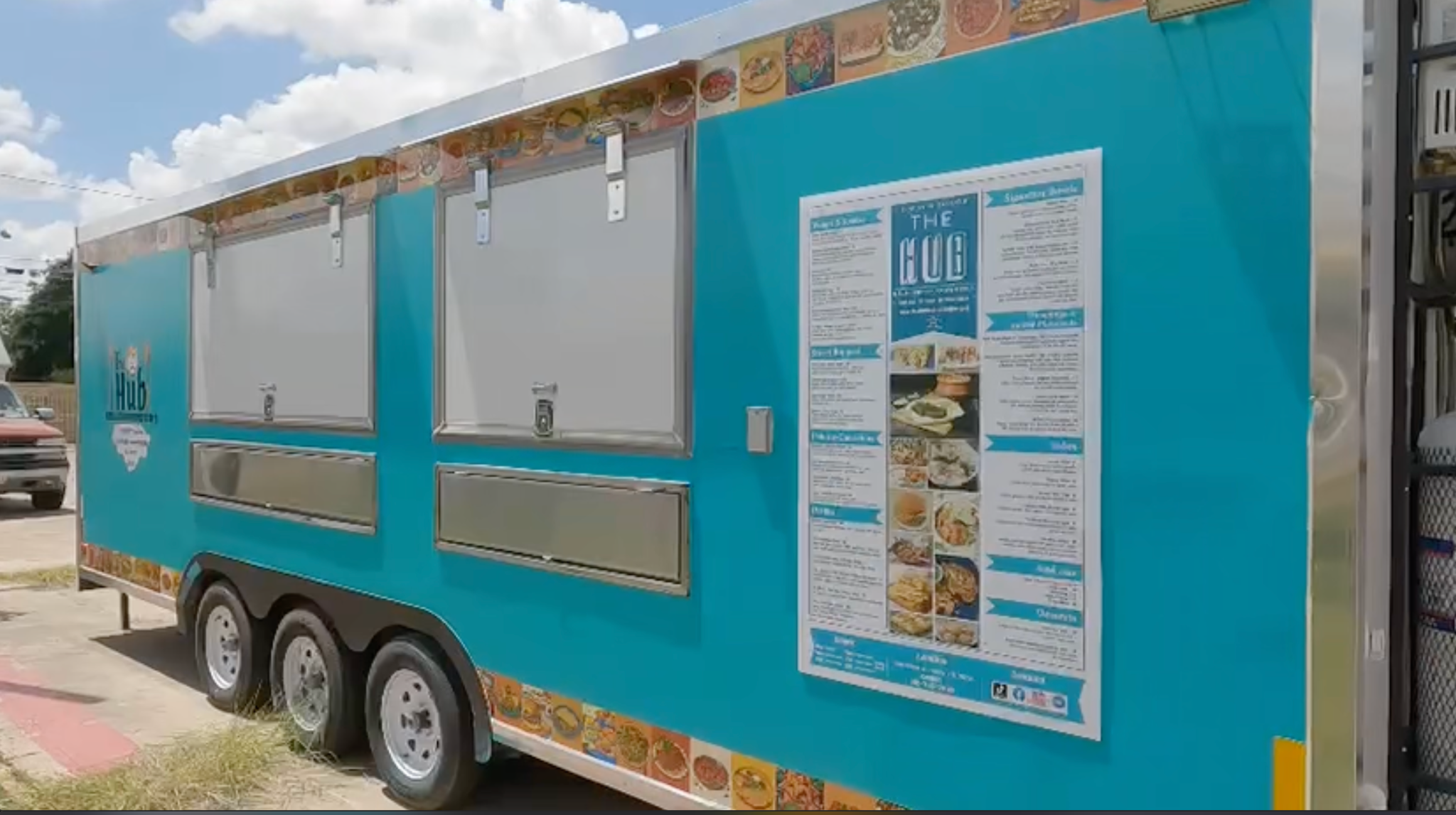
This truck shows why food truck projects need practical planning. The bright body color does the branding work from a distance, while the printed menu board gives customers a clear ordering point near the window. Those two pieces should support each other, not compete.
If you are deciding between a cleaner branded look and a more menu-heavy buildout, Brandon can help you choose the better split before production starts.
Need your food truck wrapped fast?
Brandon can walk you through layout, materials, menu placement, and install timing so you get the best path for the truck, trailer, and deadline in front of you.